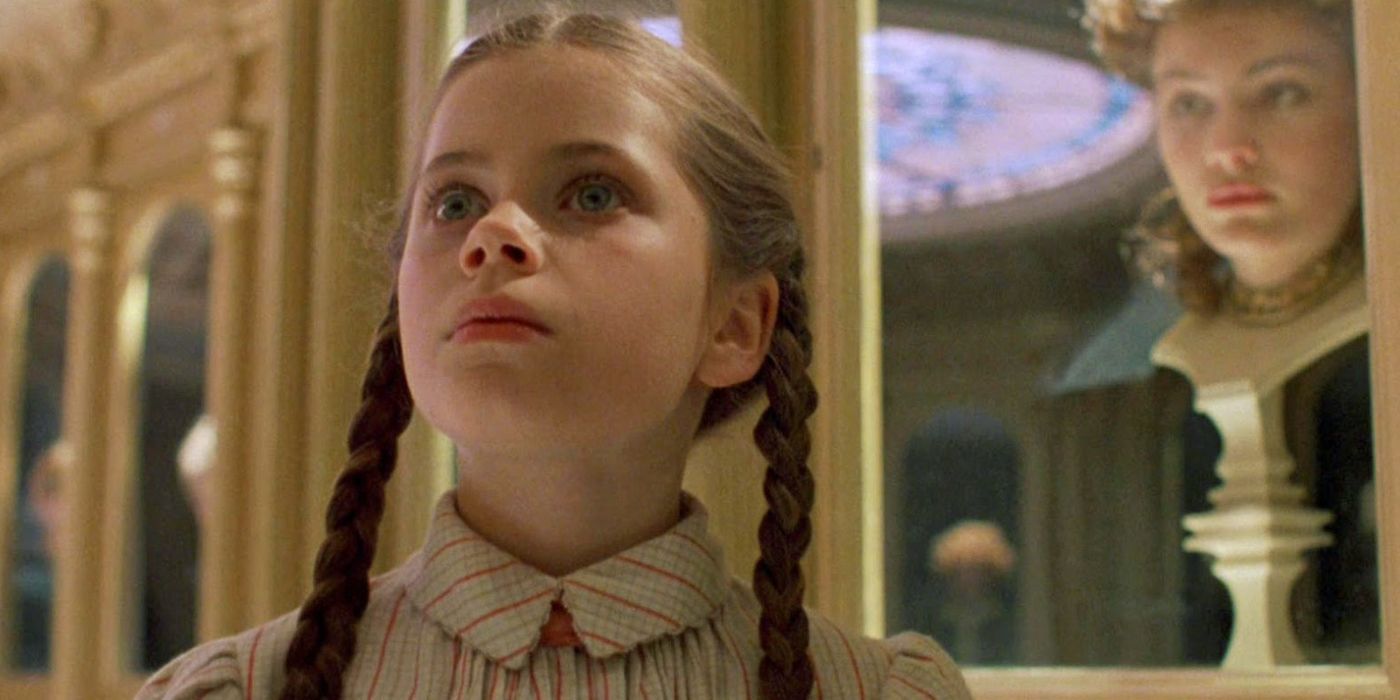
 Dorothy standing in the hall of facesImage via Buena Vista Distribution
 By
Ryan Heffernan
Published Jan 23, 2026, 9:12 PM EST
Ryan Heffernan is a Senior Writer at Collider. Storytelling has been one of his interests since an early age, with his appreciation for film and television becoming a particular interest of his during his teenage years.
This passion saw Ryan graduate from the University of Canberra in 2020 with an Honours Degree in Film Production. In the years since, he has found freelance work as a videographer and editor in the Canberra region while also becoming entrenched in the city's film-making community.
In addition to cinema and writing, Ryan's other major interest is sport, with him having a particular love for Australian Rules football, Formula 1, and cricket. He also has casual interests in reading, gaming, and history.
Sign in to your Collider account
Add Us On
follow
Follow
followed
Followed
Like
Like
Thread
Log in
Here is a fact-based summary of the story contents:
Try something different:
Show me the facts
Explain it like I’m 5
Give me a lighthearted recap
By
Ryan Heffernan
Published Jan 23, 2026, 9:12 PM EST
Ryan Heffernan is a Senior Writer at Collider. Storytelling has been one of his interests since an early age, with his appreciation for film and television becoming a particular interest of his during his teenage years.
This passion saw Ryan graduate from the University of Canberra in 2020 with an Honours Degree in Film Production. In the years since, he has found freelance work as a videographer and editor in the Canberra region while also becoming entrenched in the city's film-making community.
In addition to cinema and writing, Ryan's other major interest is sport, with him having a particular love for Australian Rules football, Formula 1, and cricket. He also has casual interests in reading, gaming, and history.
Sign in to your Collider account
Add Us On
follow
Follow
followed
Followed
Like
Like
Thread
Log in
Here is a fact-based summary of the story contents:
Try something different:
Show me the facts
Explain it like I’m 5
Give me a lighthearted recap
The 1980s are one of the most intriguing decades of cinema, an era of bombast, excess, and creative dare that stands as a golden age for action and science fiction in particular, but featured defining masterpieces across all genres. Many of these were instant classics, films that made a huge splash at the box office while garnering critical acclaim. However, the 1980s also hold a number of movies that have only come to be recognized as great triumphs in the aftermath of their release.
For some of these films, the retrospective reviews championing their quality came rather quickly, within a handful of years and, in some cases, even sooner. Others had to wait decades to get the plaudits they so thoroughly deserved. These '80s movies are today heralded as all-time classics of the medium, and—truly reflecting the variety and vastness of '80s cinema—they encompass a glorious range of genres, from sci-fi horror to playful action-comedy, teenage drama, and fantasy adventure.
10 'Labyrinth' (1986)
 Jennifer Connelly and David Bowie dancing in Labyrinth.Image via Tri-Star Pictures
It is impossible to consider fantasy cinema in the '80s without thinking of Labyrinth, a decadent marriage of striking visuals, rich and textured puppetry, David Bowie’s attention-snatching lead performance, and more thematic grandeur than it probably gets credit for. The 1986 high fantasy follows young Sarah (Jennifer Connelly) as she sets out to rescue her baby brother, whom she wished away in anger. Caught in a dangerous world of deception and dark magic, she navigates her way out of the labyrinth within 13 hours to reunite with her brother.
While it is now considered a masterpiece of imaginative fantasy and '80s family adventure, Labyrinth was initially met with mixed-to-negative reviews, becoming a significant box office flop. Reaching viewers through the then-growing accessibility of home media like cable TV, video rentals, and VHS, the film would be discovered anew and celebrated by the masses. By the 2000s, it had become ingrained as a thematically rich and enthralling coming-of-age story wrapped up in fantasy allure that had not only won over viewers but been critically reappraised as a defining triumph of the genre and practical filmmaking.
9 'The King of Comedy' (1982)
 Image via 20th Century Studios
Given his status and star power today, it is easy to forget that the early part of Martin Scorsese’s career featured a lot of underwhelming box office performers that were largely dismissed upon release, only to be reconsidered years later. The King of Comedy is probably the film that has embodied his early career the most. A skin-crawling mixture of character study, drama, dark comedy, and festering suspense, it follows a delusional and unsuccessful comedian who hatches a scheme to kidnap talk show host Jerry Langford (Jerry Lewis) when he is rebuffed from appearing on his show.
The film failed abysmally upon release, with Robert De Niro’s brilliantly cringeworthy and creepy performance making for a confronting comedic story of obsession, mental instability, and the pursuit of stardom. Even though it earned some critical praise initially, it would be many years before The King of Comedy would come to be considered the masterpiece of cinema that it is. Its popularity also got a relatively recent boost as it—along with Taxi Driver—was a noteworthy inspiration for 2019’s Joker. The King of Comedy remains one of Scorsese’s most daring and intriguing departures from his trademark focus on organized crime.
8 'Big Trouble in Little China' (1986)
John Carpenter is something of a patron saint of cinematic masterpieces that weren’t regarded as such upon release, with 1986’s outrageous action-comedy Big Trouble in Little China one of his most renowned cult classics. Also incorporating elements of fantasy, it follows a hard-edged truck driver who finds himself embroiled in San Francisco’s Chinatown, leaving him to rescue his best friend’s fiancée from a local crime lord and an ancient Chinese prince hoping to use the woman to break the curse that keeps his evil at bay.
It is ridiculous, but gloriously so, embodying the decade’s appetite for absurdity and excess with a gleeful edge of mania spawned by Kurt Russell’s over-the-top lead performance. Despite its exuberant entertainment value, Big Trouble in Little China began its life as a box office calamity, with 20th Century Studios mishandling the marketing campaign before giving it a crowded and competitive release. However, its genre-blending bravado and its bizarre bombast ensured it became a cult hit through cable TV releases and VHS rentals, enduring for decades as a work of inspired insanity that only the '80s could produce.
7 'Return to Oz' (1985)
 Fairuza Balk in braids with two women as statues behind her in Return to Oz.Image via Walt Disney Pictures
Daring, dark, and divinely twisted, Return to Oz stands as one of the most audacious sequels in cinematic history. This follow-up to 1939’s The Wizard of Oz contrasts the iconic musical’s wide-eyed allure with a sense of bleak despair and a penchant for visual terror. So strong a deviation from the tone of the original film inspired a fiercely divided critical response and a box office disaster, with the film proving to be too extreme for younger viewers. It follows Dorothy (Fairuza Balk) as she escapes a psychiatric hospital and returns to Oz to fight against a vain witch and an evil king set to destroy the magical realm.
Return to Oz dwindled as a dismissed failure for years, only starting to come back to public attention in the mid '90s. It finally achieved cult classic status in the 2000s, primarily as people who had watched it as kids revisited it and appreciated its enthralling qualities, prompting critical re-evaluation. While it is still a cult film, Return to Oz has come to be heralded as a masterpiece of dark fantasy, a terrifying and bold effort to faithfully adapt the sinister tone of L. Frank Baum’s novels.
6 'Near Dark' (1987)
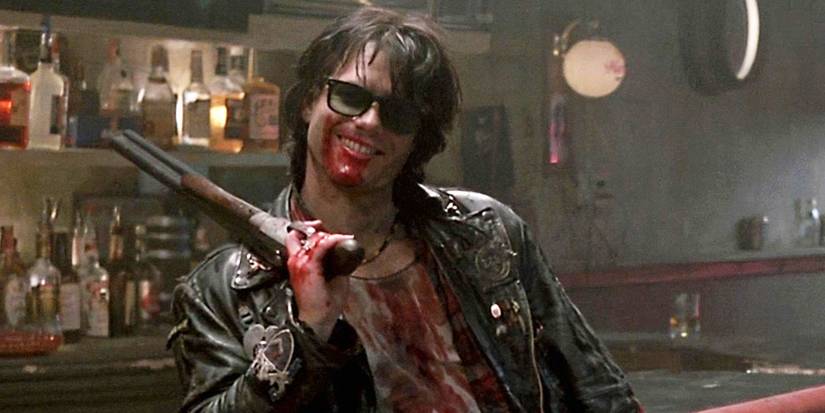 Bill Paxton in 'Near Dark'Image via De Laurentiis Entertainment Group
A case of a great movie being released at the wrong time, Near Dark wasn’t quite in line with the late 1980s’ interest in campy fun and frivolous eccentricity, even with its striking marriage of horror and Western influences. Its nonexistent marketing campaign and the fact that it was released just two months after The Lost Boys didn’t help either. The shame is that this film is as outstanding as it is bold, following a young cowboy from a small Oklahoma town as his brief tryst with a beautiful woman leads to him being bitten by a vampire and falling in with a wicked band of undead thugs.
While it did earn commendation from critics on account of its ability to blend Western excitement, horror, suspense, and biker movie lawlessness into a tight and ultra-violent tale of family and morality, Near Dark failed to make immediate inroads with general moviegoers. Even today, it struggles to get the widespread respect it deserves. Director Kathryn Bigelow’s career has soared, but her horror highlight has dwindled. Still, those who have seen it—critics and audiences alike—have celebrated its boldness and brilliance.
5 'Clue' (1985)
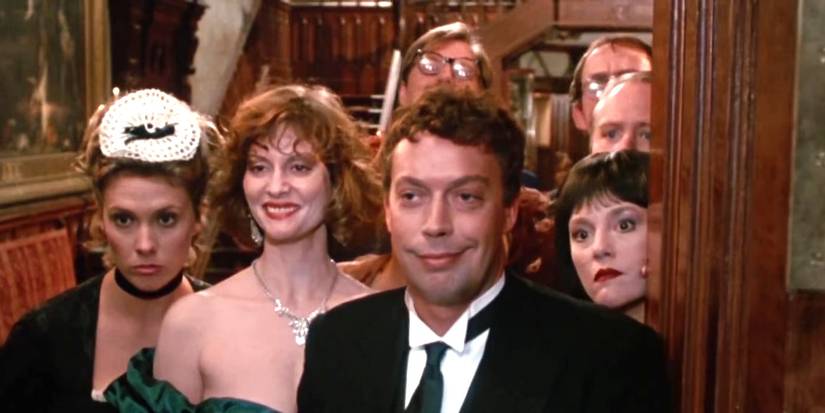 Tim Curry and Lesley Ann Warren standing in a doorway as other characters group up behind them in Clue.Image via Paramount Pictures
With its blend of wacky fun and black comedy to the fold of whodunit drama, Clue stands as something of a pioneering gem of the genre, an ambitious marriage of hysterics and murder mystery following guests at a dinner party as they investigate who murdered their host, Mr. Boddy (Lee Ving). In today’s world, it is regarded as such, celebrated as a creative and clever spin on the story formula that has aged incredibly well over the past 40 years. However, the initial reception wasn’t quite so encouraging.
Its unique marketing and release strategy of having three different endings shown in different theaters was a catastrophic misstep, a gimmick that reaped confusion and dismissal from the masses, resulting in a woeful financial performance and a litany of critical derision. It wasn’t until the 1990s that Clue started to garner popularity, becoming a resurgent success through video rentals and consistent airing on cable TV. Ultimately, it was reconsidered as a gem of '80s comedy defined by its robust ensemble and farcical hilarity.
4 'Heathers' (1989)
 Winona Ryder as Veronica and Shannon Doherty, Lisanne Falk, and Kim Walker as three Heathers standing together in HeathersImage via New World Pictures
Despite gaining critical appraisal upon release and even winning awards on the festival circuit, Heathers completely failed to break into mainstream awareness with its theatrical run in 1989, making a paltry $1.1 million at the box office. It didn’t need to wait long to find the respect it deserved, however, as the satirical teen comedy quickly became a hit through home video rentals and resonated with students in particular through its cynical take on high school life.
Starring Winona Ryder and Christian Slater, it follows an astute teenager who quickly grows tired of her shallow and sinister clichés and starts spending more time with her rebellious boyfriend. Their romance takes a dark turn, however, when she realizes he is killing students he doesn’t like and has an explosive plan for a pep rally. In the '90s, Heathers’ murderous mania was welcomed as a macabre fantasy of high school vindictiveness, a wicked indulgence in personal spite that captured the mean-spirited zeitgeist of adolescence with hypnotic sharpness. In today’s world, its distinct focus on violence in school is more somber, but Heathers remains a thought-provoking and piercing gem of teen drama laced with black comic genius and two standout lead performances.
3 'Brazil' (1985)
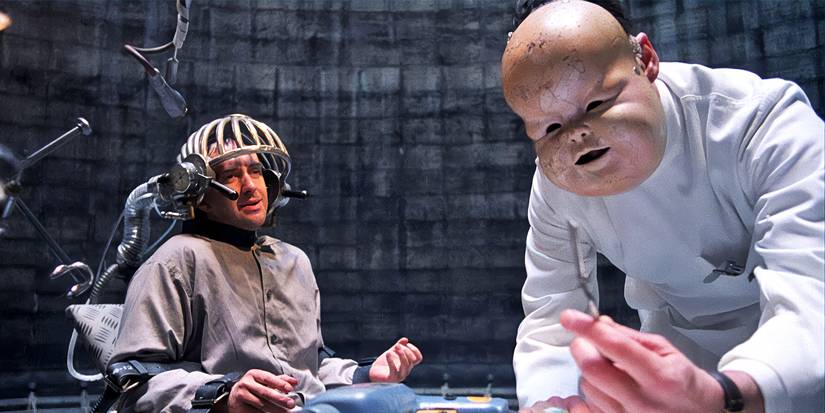 Image via Universal Pictures
A triumph of directorial vision winning out over studio demands, Brazil overcame its poor initial release in America to become a cult classic of science-fiction cinema. The eccentric dystopian drama follows low-level bureaucrat Sam Lowry (Jonathan Pryce) as he pursues the love of his life while on a job amending an administrative error. His passion and individualism make him an enemy of the authoritative state as he strives to realize his dream of heroism and romance.
Subscribe for Deep Dives into Overlooked '80s Film Gems
Want more on how '80s films rose from flops to classics? Subscribe to the newsletter for curated reappraisals, behind-the-scenes context, recommended viewings and thoughtful takes that deepen your appreciation of retro cinema. Subscribe By subscribing, you agree to receive newsletter and marketing emails, and accept Valnet’s Terms of Use and Privacy Policy. You can unsubscribe anytime.Terry Gilliam’s original cut of the film was released in Europe, becoming a commercial success for that market and a critically lauded masterpiece. However, Universal Pictures’ handling of the American release was a disaster, with execs demanding dramatic changes to the ending. Gilliam resorted to going behind the studio’s back to screen his version of the movie for critics and film students, a ploy which saw Brazil win Best Picture, Best Screenplay, and Best Director at the Los Angeles Film Critics Association. Such success left Universal no choice but to release Gilliam’s version of the movie, which did become a hit in the ensuing years through rentals and television runs, achieving a cult status and even being selected for the Criterion Collection in 1996.
2 'The Thing' (1982)
 A malformed head coming out of an elongated neck in 'The Thing' (1982).Image via Universal Pictures
Another John Carpenter classic that took far too long to be regarded as such, The Thing is today considered one of the greatest films of both sci-fi and horror cinema, but it was a critical and commercial disaster when it was released in 1982. Set at an American research base in Antarctica, a crew of scientists finds themselves under attack from an alien entity that can replicate the appearance of its prey. Distrust and paranoia soon fester as the men fight for their lives.
Serving as an allegory for the heightened tension in American culture as Cold War anxieties and the AIDS epidemic swept the national psyche, The Thing was perhaps too dark and disturbing a movie for its time. The contrast was worsened since it was released in the same summer as E.T. the Extra-Terrestrial, which captured the audience’s desire for idealism and hope to such an extent that it broke the record for the highest-grossing movie at the box office. It wasn’t until later in the decade that The Thing started to gain traction again, eventually being critically re-evaluated in the early '90s, with praise for its practical effects, tight storytelling, and impeccable ability to build suspense.
1 'Blade Runner' (1982)
 Image via Warner Bros.
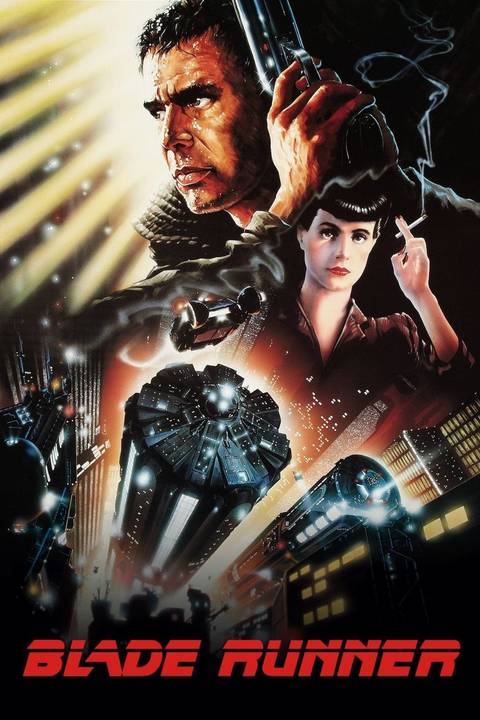
Released on the same day as The Thing, Blade Runner is yet another dystopian sci-fi masterpiece of the 1980s that was overlooked by the masses throughout its theatrical run. In fact, it only came to be accepted as a classic years later, as VHS rentals became more prominent through the mid-to-late '80s. The film continued to amass greater popularity as Ridley Scott released an approved Director’s Cut of the film in 1992, before releasing his definitive version, dubbed “The Final Cut,” in 2007.
Blade Runner’s initial failure is confounding, considering the immense impact it has had on the genre, popularizing the visually astonishing cyberpunk aesthetic while delving into rich themes of humanity, artificial intelligence, and identity. It follows Rick Deckard (Harrison Ford) in his pursuit of a small group of androids who have returned to Earth seeking longer life spans. What started as a commercial catastrophe and even a critical misfire has become universally lauded as one of the defining science-fiction movies and a landmark achievement of filmmaking.
 Blade Runner
R
Sci-Fi
Thriller
Drama
Release Date
June 25, 1982
Cast
Harrison Ford, Rutger Hauer, Sean Young, Edward James Olmos, M. Emmet Walsh, Daryl Hannah, William Sanderson, Brion James, Joe Turkel, Joanna Cassidy, James Hong, Morgan Paull, Kevin Thompson, John Edward Allen, Hy Pyke, Kimiko Hiroshige, Bob Okazaki, Carolyn DeMirjian, Ben Astar, Dawna Lee Heising, Alexis Rhee, Judith Burnett, Leo Gorcey Jr., Sharon Hesky, Kelly Hine
Runtime
118 minutes
Director
Ridley Scott
Writers
David Webb Peoples, Hampton Fancher, Philip K. Dick
Powered by
Blade Runner
R
Sci-Fi
Thriller
Drama
Release Date
June 25, 1982
Cast
Harrison Ford, Rutger Hauer, Sean Young, Edward James Olmos, M. Emmet Walsh, Daryl Hannah, William Sanderson, Brion James, Joe Turkel, Joanna Cassidy, James Hong, Morgan Paull, Kevin Thompson, John Edward Allen, Hy Pyke, Kimiko Hiroshige, Bob Okazaki, Carolyn DeMirjian, Ben Astar, Dawna Lee Heising, Alexis Rhee, Judith Burnett, Leo Gorcey Jr., Sharon Hesky, Kelly Hine
Runtime
118 minutes
Director
Ridley Scott
Writers
David Webb Peoples, Hampton Fancher, Philip K. Dick
Powered by
 Expand
Collapse
Expand
Collapse
-
 Movie
Movie
-
 The Fly
-
 Brazil
What To Watch
 July 20, 2025
The 72 Best Movies on Netflix Right Now
Trending Now
July 20, 2025
The 72 Best Movies on Netflix Right Now
Trending Now
 'The Rip' Review: Matt Damon and Ben Affleck Phone it In for Netflix's By-the-Book Cop Thriller
1:51
'The Rip' Review: Matt Damon and Ben Affleck Phone it In for Netflix's By-the-Book Cop Thriller
1:51
 30 Steamy Movies to Get You in the Mood on Date Night
1:50
30 Steamy Movies to Get You in the Mood on Date Night
1:50
 The 70 Best Animated Series For Adults, Ranked